
Doreen leads the call to see the sea
It all started with Doreen
Doreen, a retired hotelier and amputee from Blackpool, has lived for a decade behind a construction wall that blocks her view of the sea. What was promised to be a temporary barrier for repair work has instead become a symbol of corporate abandonment.
“We’re nothing at all, we don’t count for anything at all not with people like that like big corporations who just think that they can walk all over people.”
Balfour Beatty was contracted to repair the deteriorating promenade, and the wall that appeared was meant to stay for just three or four months—at least according to estate agents. Instead, it has stood for over a decade. No one knocked Doreen’s door or sent a letter to explain, and when Doreen sought answers, she was told it could be another four years before anything changes.
The toll on her life has been profound. A single-leg amputee, she spent two of the last four years housebound, her sea view blocked by engineering hoardings.
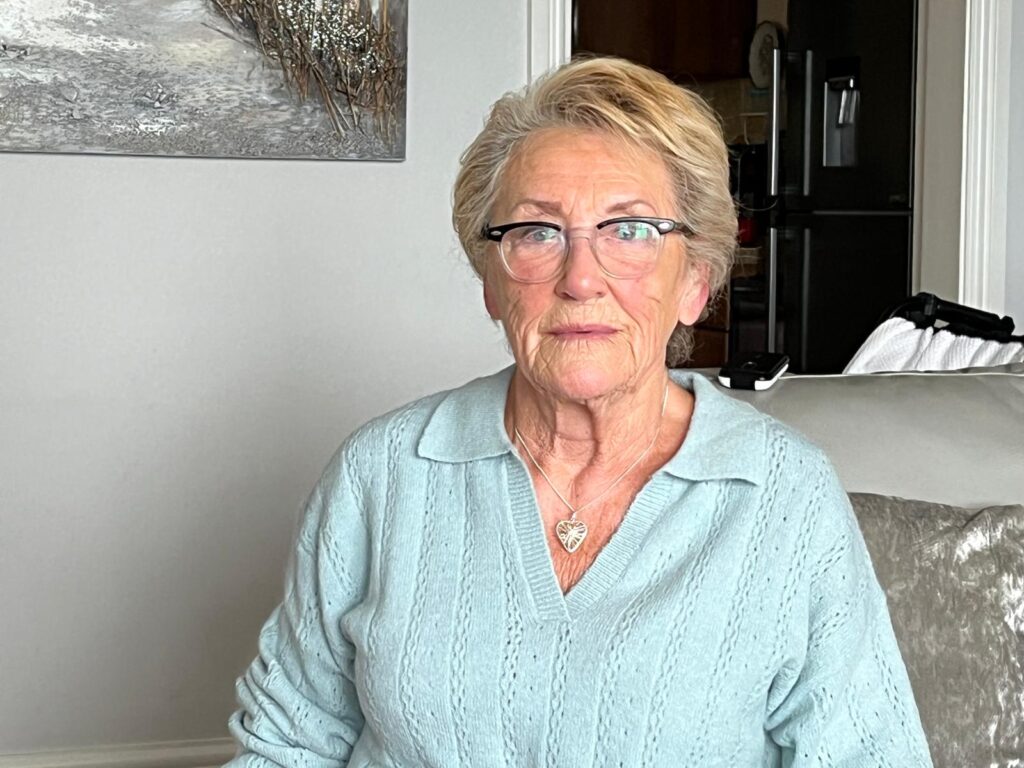
"For two years I was housebound because of losing my leg...looking out to the sea, a builders hoarding is all I saw. My health suffered terribly."
The Community Fights Back
Margaret, who had only moved in to Queens Promenade a year before, was returning to the same streets her parents once loved. From her window she saw what community meant:
“You can see the tide coming in and out…people in wheelchairs, children playing, kites flying, dogs walking. You get to know the people by which dogs they’ve got. It just changes day by day…and to see the sunsets – absolutely fantastic.”
But she now faces the same exclusion neighbour Doreen has lived through. Blackpool Council plans to place a sea defence compound directly in front of residents’ homes: 9-foot fencing, 14–15 foot boulder storage, and no consultation.
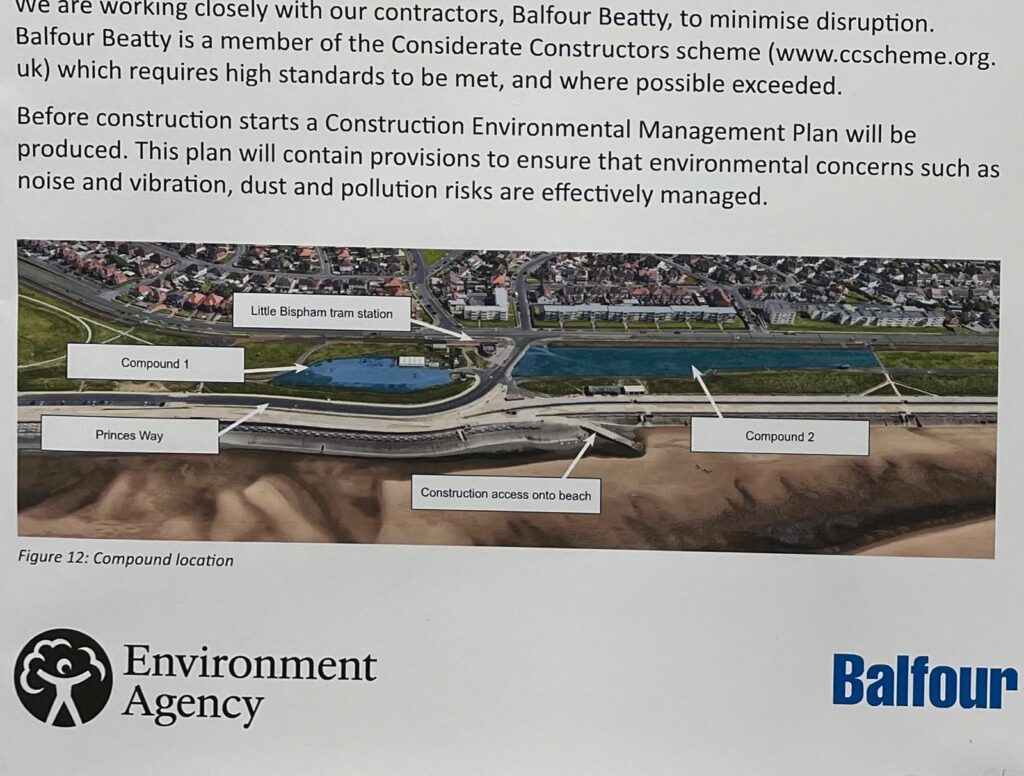
Margaret told her neighbour Carol, explaining:
“Blackpool Council are intending to put up boarding all along the green facing us to house large boulders and moving and lifting equipment.”
Residents quickly mobilised. Over 1000 people signed a petition. They support sea defence work but oppose its placement in front of their homes, especially without being asked. Carol summed up their frustration:
“It’s just unbelievable that they initially were going to go ahead without even consulting with any of the local residents… it just seems incomprehensible that the council can propose to do something with so little regard for people that live facing and surrounding areas.”
This echoes exactly what happened to Doreen: decisions made about residents without involving them.
The issue isn’t resistance to necessary work; it’s exclusion from decisions that affect everyday life. Residents are now using petitions, posters, and podcasts to amplify their voices and demand basic respect.
They want the removal of Doreen’s ten year old wall, genuine consultation about the sea defence compound, and recognition that residents deserve a say in shaping their own community.
Read more...
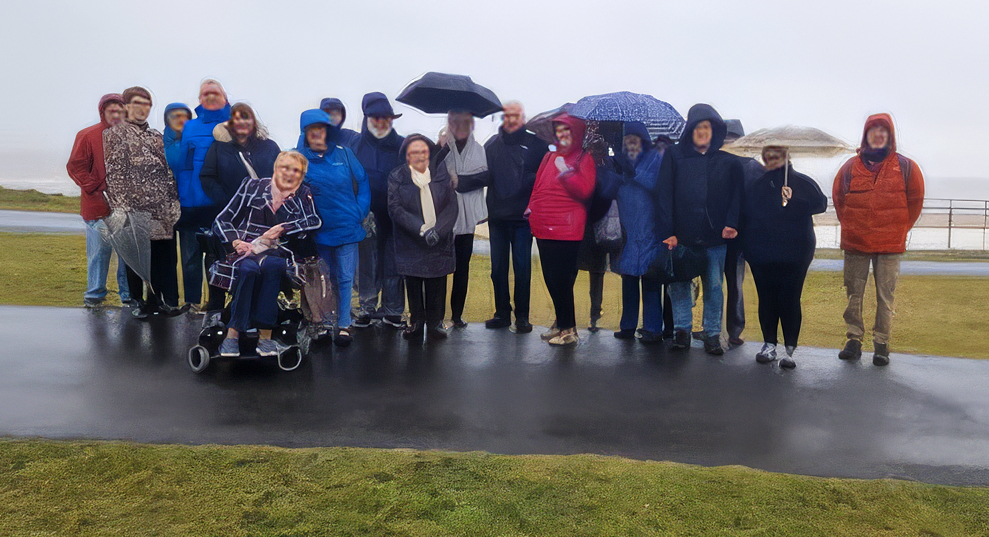
“Everybody joined in my call for help. It just shows if you all stick together, maybe something can happen.” Doreen
The residents petition was stark: Save Our Green Space!
“Our residents include elderly residents, many of whom do not leave their homes very often and their only view of the outside world is from their front window. It is estimated that the proposed compound would be in situ for a minimum of 2 years but possibly 4 years, if not more!”
More than a thousand people signed the petition.
Councillor Paul Galley visited Doreen in November 2024 and made several significant admissions on the podcast.
“This scheme started back in 2014… but the work was inadequate..It hasn’t worked, basically.”
According to Councillor Galley, a major engineering project to strengthen sea defences further up the coast failed and the council refused to sign it off, entering a lengthy dispute with Balfour Beatty. Over the course of that dispute, no one informed residents about it, or shared any information about who to contact.
Paul Galley, who is the councillor for the neighbouring ward, acknowledged residents like Doreen were excluded.
“I would say it’s partly my fault…. With hindsight…well I was sat in a meeting with the council two weeks ago and I said, well, what about all these residents – based on the fact I knew people haven’t had any information.“
Residents like Margaret and Carol discovered that property searches they paid for failed to reveal long-standing plans for the sea defence repairs already in place. They bought and rented their homes at sea-view premiums while the council was planning to block those views.
Consultation letters dated November 12th didn’t arrive until after November 21st, and residents had only until November 29th to respond.
Further inquiries revealed that Balfour Beatty’s compound might stay not for ‘two to four years’ but for as long as the entire sea defence project takes—potentially another decade.
Neighbour and friend Leon Davy identified the socio-economic duty within the Equality Act 2010 as a basis for challenge:
“It requires public bodies to adopt transparent and effective measures to address the inequalities that result from differences in occupation, education, place of residence or social class… Blackpool Council has signed up to this idea of socio-economic duty.”
The law requires public bodies to consider disadvantaged residents, reduce inequalities, and act transparently—everything residents say has been lacking. Doreen’s experience, particularly during years of being housebound behind the wall, illustrates these inequalities clearly.
Meanwhile the council’s own strategic planning documents reveal a requirement to overcome any damaging effects on ‘local amenity’ before planning permission is granted
The Town Plan notes that any developments should not spoil ‘strategic views’ of the sea along ‘transport corridors leading into the town centre’.